Why Bookkeeping Qualifications Matter - Lessons from History - Part 1
 Frances Gallagher
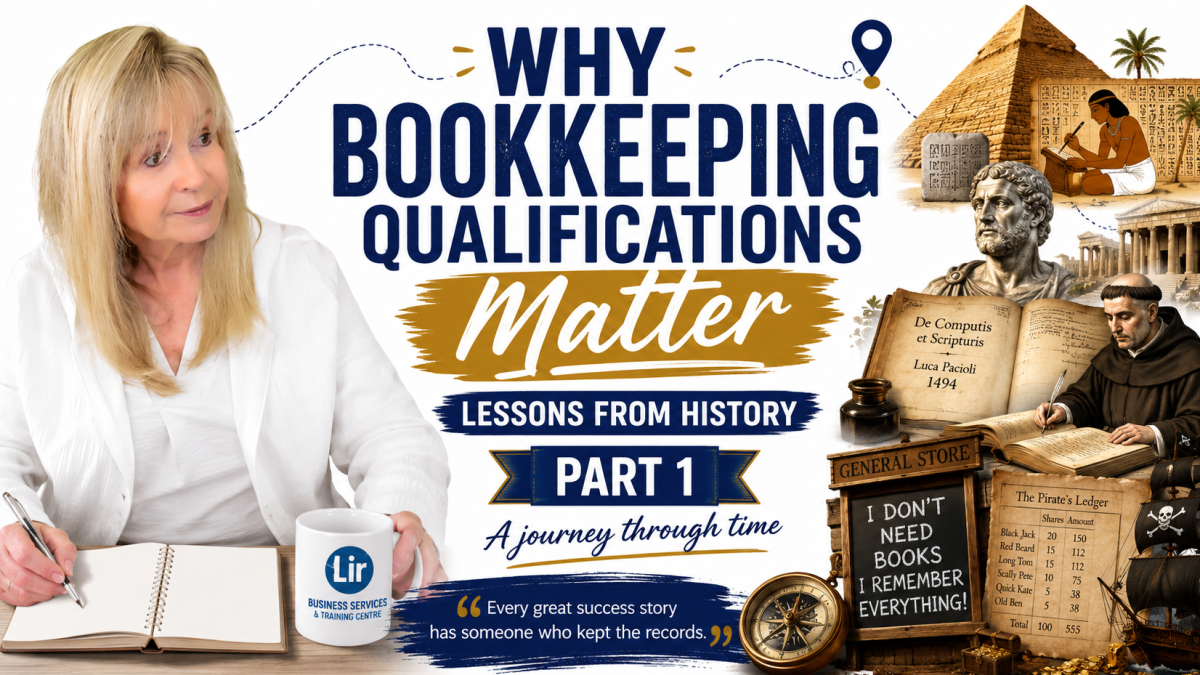
Discover why bookkeeping qualifications have mattered for over 5,000 years and why they remain one of today's most valuable business skills.
Imagine Building an Empire Without a Bookkeeper
If you think bookkeeping is just about entering figures into a computer, think again. The history of bookkeeping is the history of civilisation itself—and it might just change the way you see one of today's most valuable business skills.
I thought what we'd do today is travel back in time. Not just fifty years. Not even a few hundred years. Let's go back thousands of years.
Imagine you're standing on the banks of the River Nile. The pyramids are rising slowly into the Egyptian sky. Thousands of workers are cutting stone, transporting supplies, and receiving food for their labour.
Now here's a question.
- Who made sure everyone was paid?
- Who counted the grain?
- Who recorded how many blocks of stone had arrived?
- Who knew whether enough supplies were available for tomorrow?
Someone had to.
Long before spreadsheets, calculators and computers, someone was carefully recording every transaction. They may not have called themselves a bookkeeper. But that's exactly what they were.
Without them, one of the greatest civilisations in history might never have managed such extraordinary achievements.
And that's where our story begins.
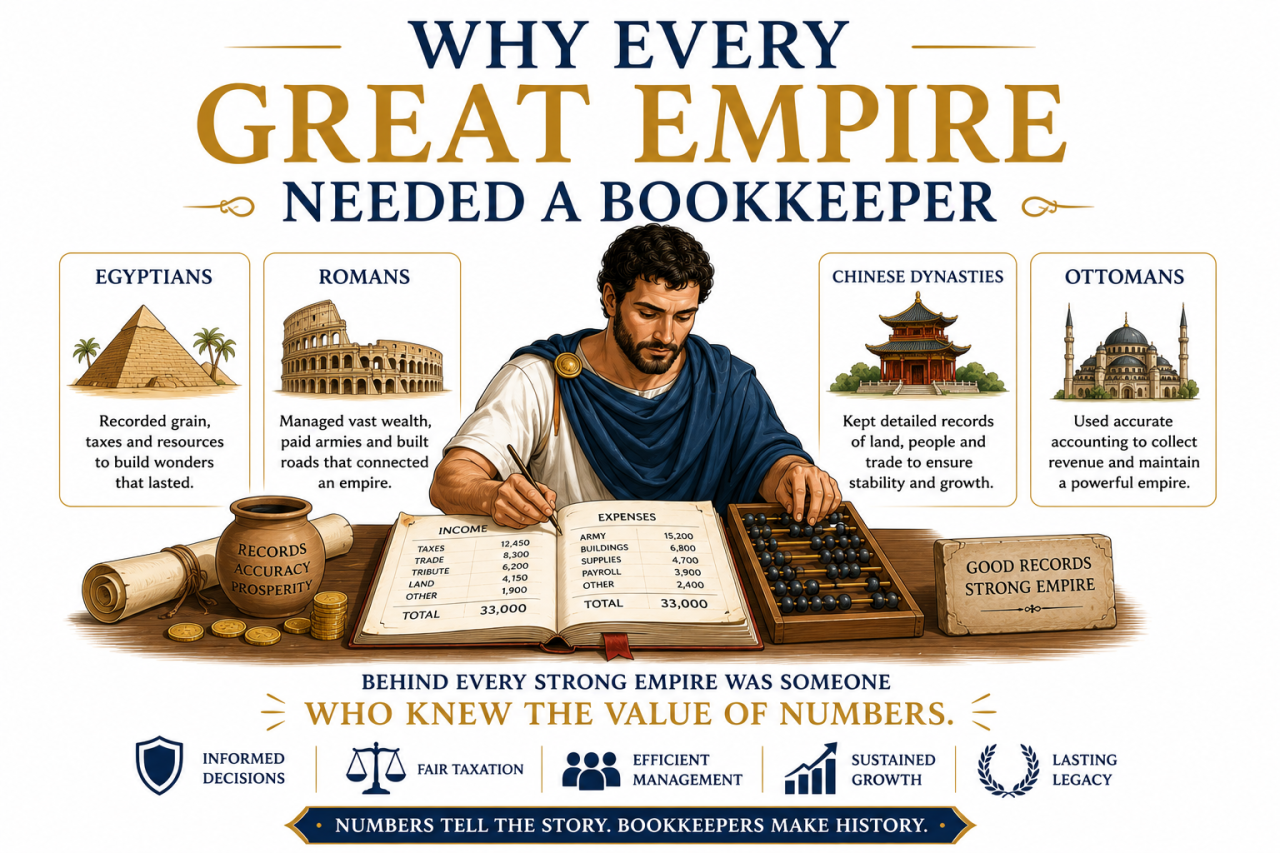
Every Great Civilisation Had Someone Keeping Score
History tends to celebrate kings, queens, explorers and inventors. Yet behind almost every successful civilisation stood another group of people. The people who quietly kept the records.
Think about it.
- The Romans built roads stretching thousands of miles
- Merchants traded silk from Asia
- Armies travelled across continents
- Taxes were collected
- Workers were paid
- Food was stored
- None of this happened by chance
Every great empire needed people who could answer questions like:
- How much do we own?
- Who owes us money?
- Who have we paid?
- What supplies remain?
- Can we afford our next project?
Those questions haven't changed very much.
Only the technology has.
Fast forward to fifteenth-century Italy.
Trade across Europe was growing quickly.
Ships were carrying spices, silk and precious metals from country to country.
Businesses were becoming larger.
Money was flowing faster.
But there was one problem.
Keeping track of it all.
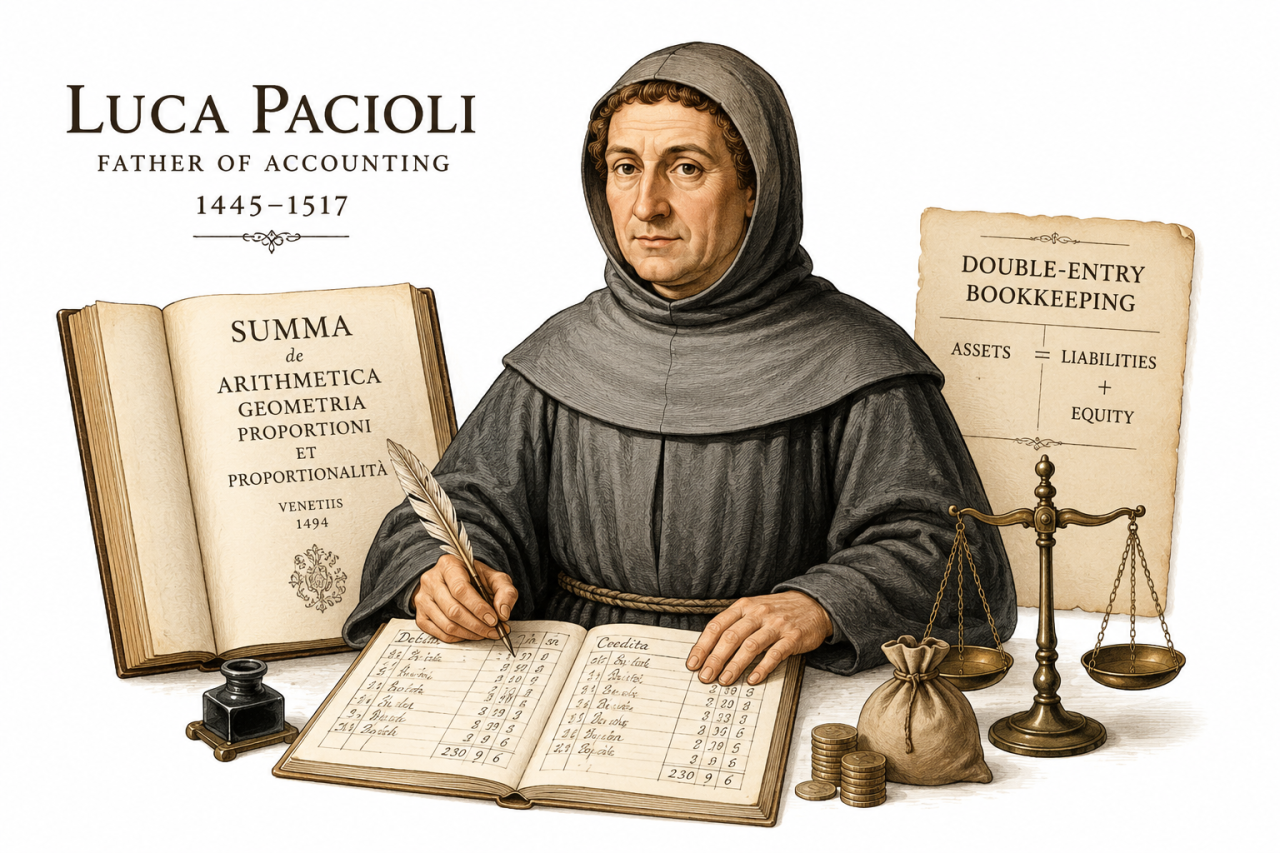
Then along came a Franciscan friar named Luca Pacioli.
He didn't invent bookkeeping.
What he did do was write down and organise the principles of double-entry bookkeeping into a system that businesses could actually use. That was in 1494.
More than five hundred years later, businesses around the world still use the same basic principles. Now that's staying power. Imagine writing something in the fifteenth century that's still being taught today. Not bad for a monk with a ledger and a quill.
If Medieval Merchants Had Excel...
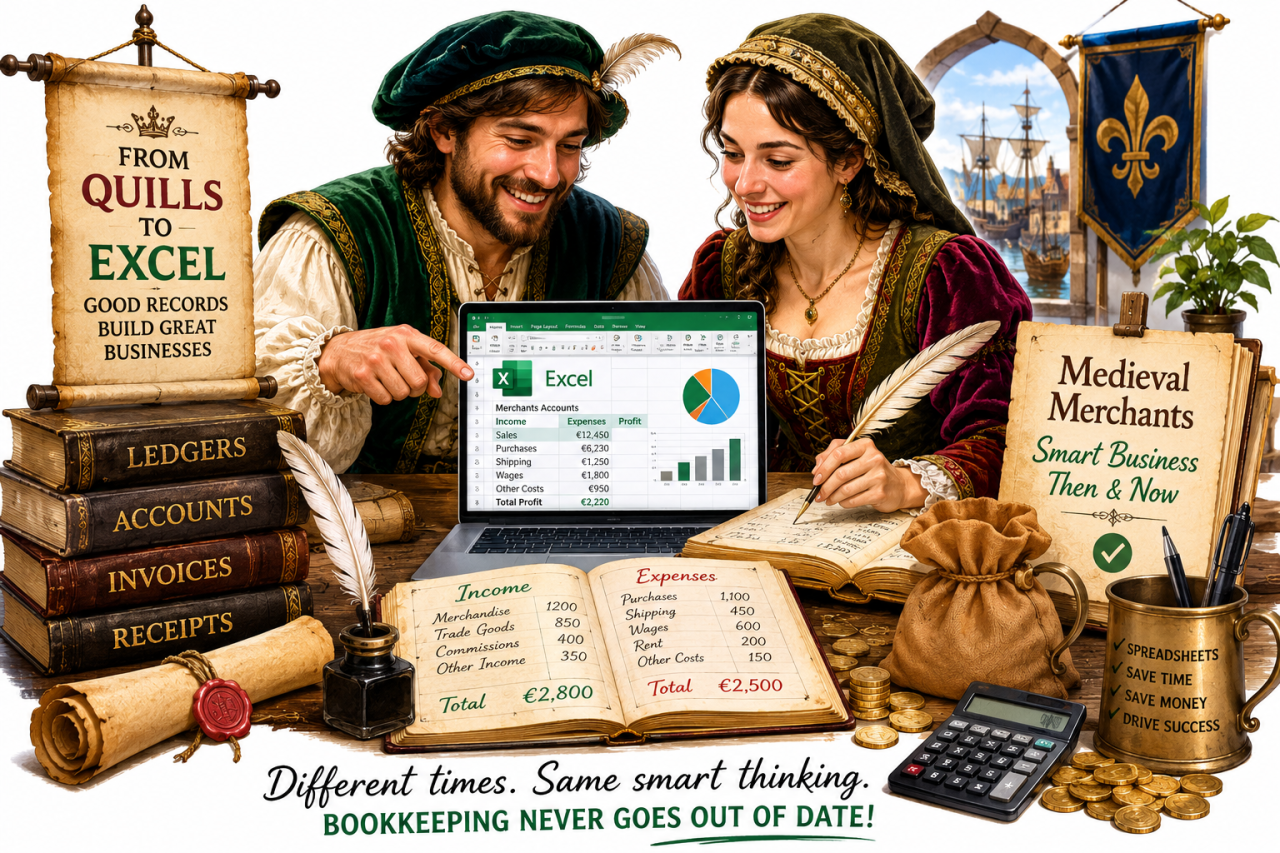
Sometimes I wonder how amazed those medieval merchants would be if they walked into an office today. Imagine them opening Microsoft Excel. One click... Totals. Another click... Charts. Another click... Profit reports. They'd probably think it was magic.
Back then, every transaction was written by hand. Every figure was checked manually. Every mistake meant hours of extra work. Today, technology makes bookkeeping much faster. But here's something interesting. Technology hasn't replaced bookkeeping. It has simply changed the tools.
Whether you're writing in a leather-bound ledger or using cloud accounting software, the questions remain exactly the same.
- Has this invoice been paid?
- Are our figures correct?
- Can we afford this purchase?
- Are we making a profit?
Good bookkeeping has never really been about numbers. It's about making good decisions.
Ready to Learn Modern Bookkeeping?
Thankfully, you don't need a quill, an ink pot or a leather-bound ledger to become a skilled bookkeeper today.
Whether you're starting from scratch or looking to build on your existing experience, we offer flexible ways to learn:
Perfect if you're new to bookkeeping or want to build solid practical skills. From there, you can simply choose whether you'd prefer to join our Live Tutor Online Classes or study at your own pace with our Fully Online Self-Paced option.
Live Tutor Online Classes
Learn each week with an experienced tutor and other learners.
or
Fully Online Self-Paced
Study whenever it suits you, with tutor support available whenever you need it.
The Pirate's Ledger
Now here's one people don't often think about. Pirates.
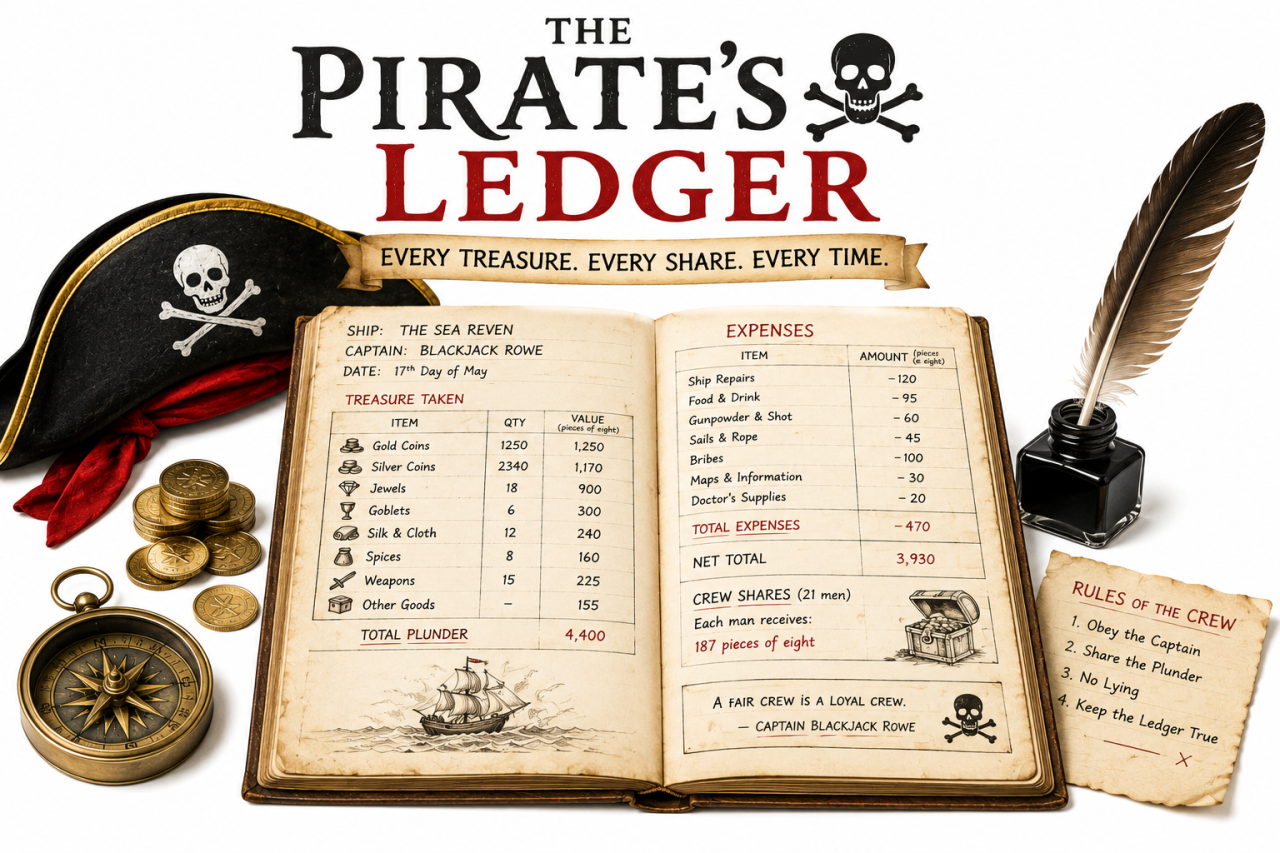
When we think of pirates we picture parrots, treasure chests and ships sailing into the sunset. But pirates had something rather less glamorous.
Records.
Someone had to keep track of:
- Treasure collected
- Food supplies
- Gunpowder
- Repairs
- Shares owed to each crew member
Without accurate records there would probably have been mutiny long before anyone reached buried treasure. Even pirates knew that disagreements disappear much faster when the numbers are written down.
I'm certainly not suggesting we take financial advice from pirates. But it's a reminder that every organisation—whether respectable or otherwise—needs someone who understands the figures.
The Shopkeeper Who Kept Everything in His Head
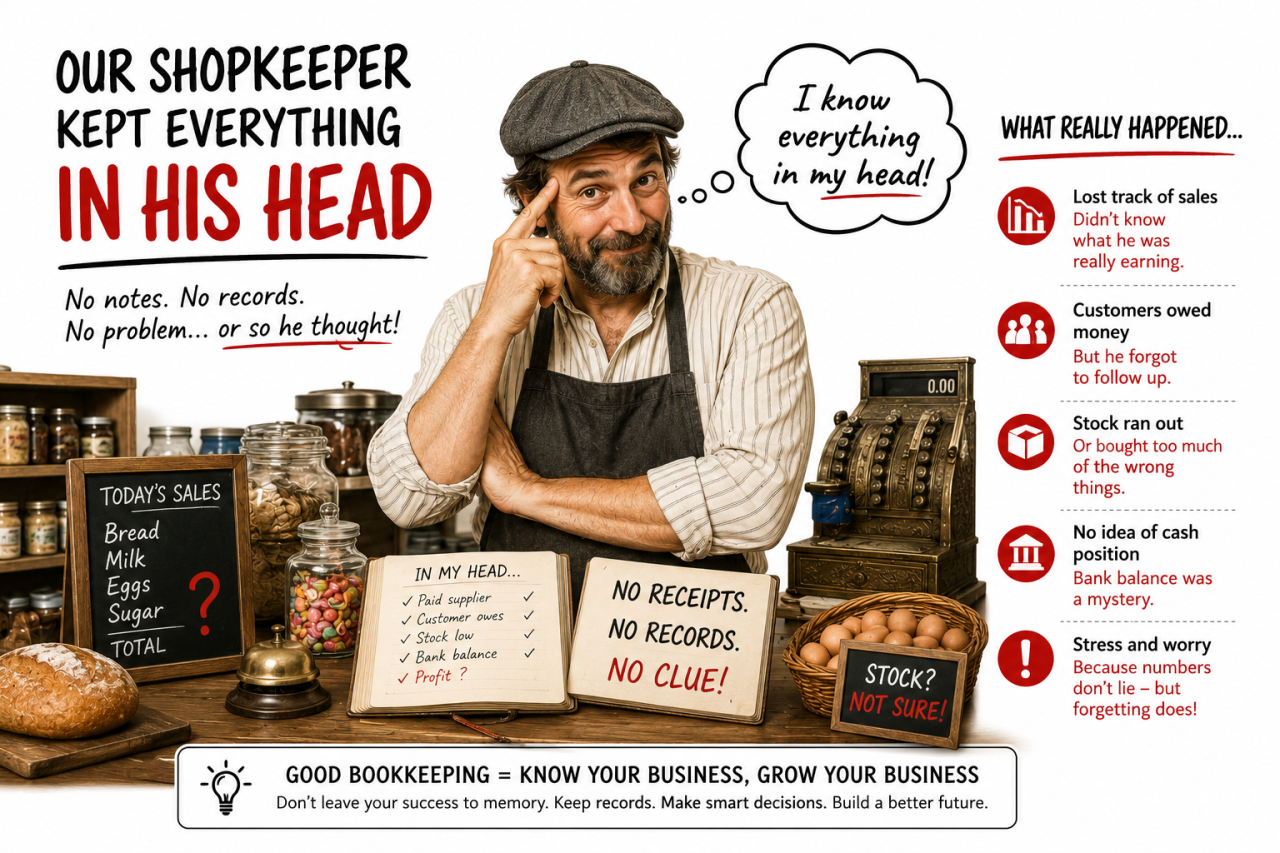
Every town seems to have had one.
The friendly shopkeeper who proudly announced,
"I don't need books.
I remember everything."
Perhaps he did. For a while. Then one customer paid late. Another forgot to pay altogether. Stock started disappearing. Bills arrived. Cash became tight. Suddenly memory wasn't enough.
I've met business owners over the years who still say,
"I know my business inside out."
And many of them do.
But knowing your business and proving what your business is doing financially are two completely different things. Bookkeeping removes the guesswork. Instead of hoping you're making money ... you know.
Instead of wondering where your cash has gone ... you can trace it.
Instead of relying on memory ... you rely on evidence.
Every Invoice Tells a Story
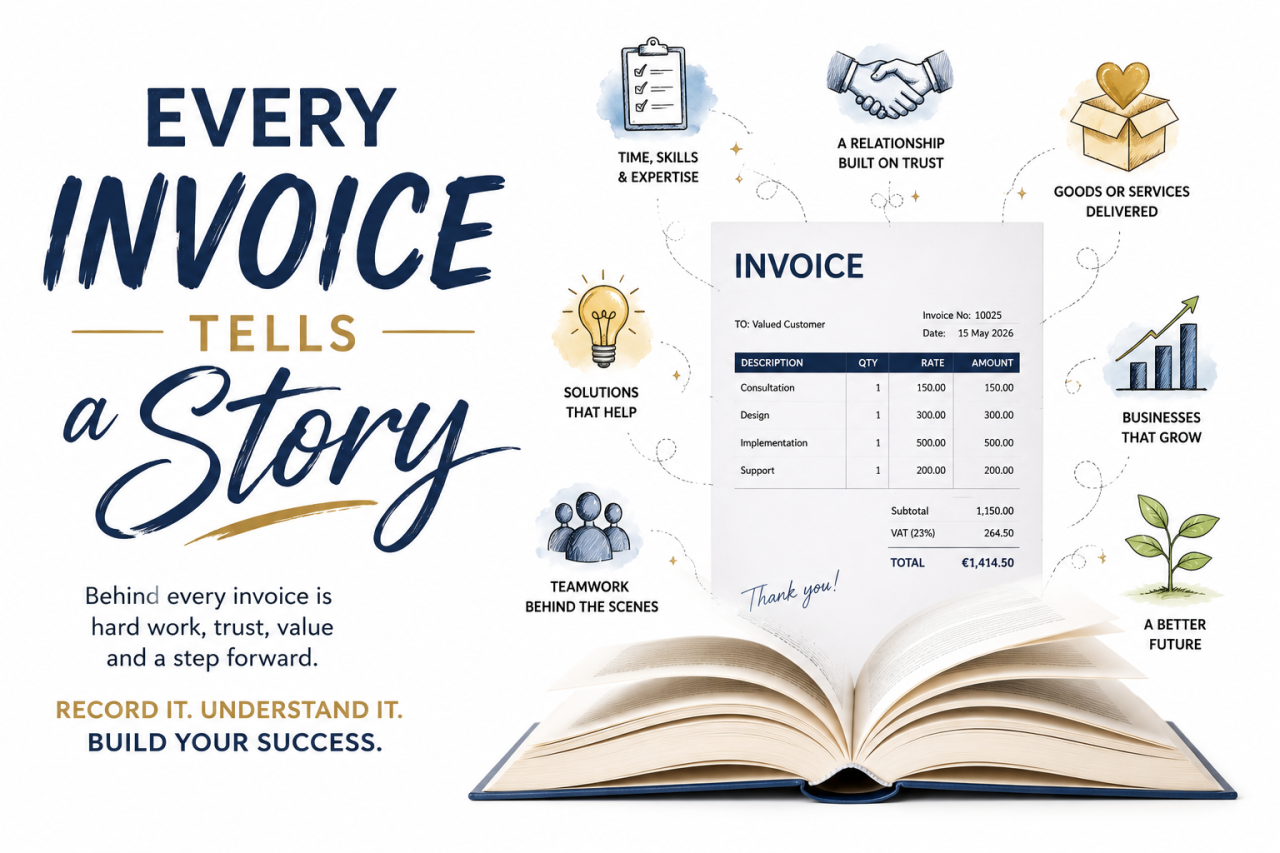
One of my favourite ways to explain bookkeeping is this. Imagine every invoice could talk.
One invoice says,
"I brought in a new customer."
Another says,
"I paid for new equipment."
Another quietly reminds you,
"I'm overdue."
Yet another tells you,
"This supplier has been with you for ten years."
Every invoice is a chapter in the story of a business.
Together they tell us:
- where the money came from
- where it went
- who we work with
- how healthy the business really is
That's why bookkeeping is so much more than entering figures into software. You are recording the history of a business. Every single day.
More Than Numbers
Sometimes people tell me,
"I'm not really a numbers person."
I smile because bookkeeping isn't just about mathematics.
- It's about organisation.
- It's about attention to detail.
- It's about solving puzzles.
- It's about spotting patterns.
- It's about helping businesses succeed.
Many excellent bookkeepers enjoy the satisfaction of finding something that doesn't quite look right and working out why.
Almost like a detective...
...which brings us to the next part of our journey.
Whether you prefer the structure of a weekly tutor-led class or the flexibility of studying at your own pace, we'll support you every step of the way.
After all, today's successful businesses still rely on exactly the same thing they relied on thousands of years ago…
Someone who understands the numbers.
Explore our Bookkeeping Courses today and discover where they could take you.
End of Part 1
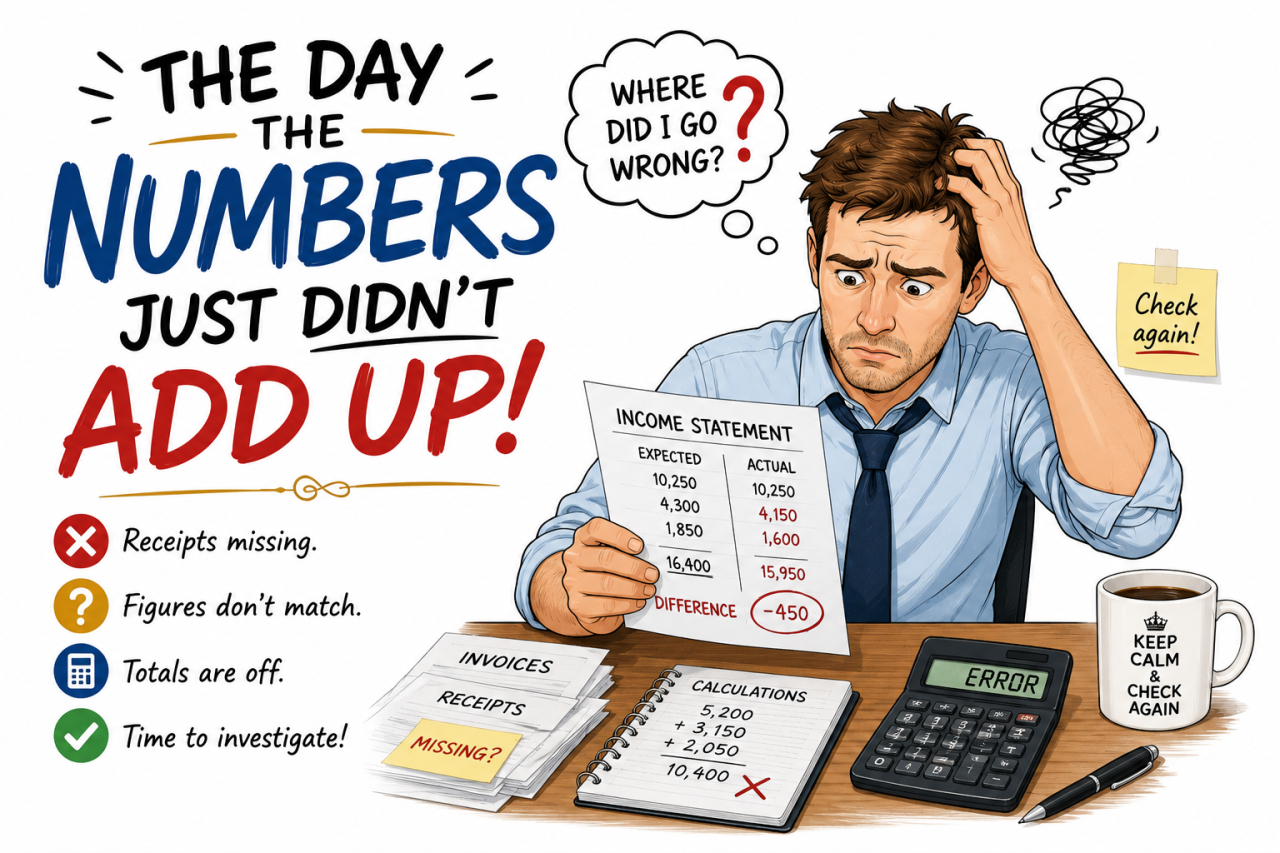
In Part 2, we'll meet the detective who investigates the accounts, discover "The Day the Numbers Just Didn't Add Up", explore why bookkeeping qualifications are still one of the most employable business qualifications today, include a comparison table, FAQs, and our blog finishes with a practical guide on how a bookkeeping qualification can open doors to careers in finance, payroll, office administration, and self-employment.
Remember to sign up for Part 2 ...
Categories: : Blended, Fully Online Course, Level 5 Course, Level 6 Course
Discover why bookkeeping qualifications have mattered for over 5,000 years and why they remain one of today's most valuable business ...
Discover why bookkeeping qualifications have mattered for over 5,000 years and why they remain one of today's most valuable business skills.
The Skills Nobody Taught Us at School (But Employers Still Want) ...

Take a nostalgic trip back to the outdoor games Irish children played from the 1970s to the early 2000s and discover the lessons they ...

I thought we'd look at something that affects almost every learner at some stage today.
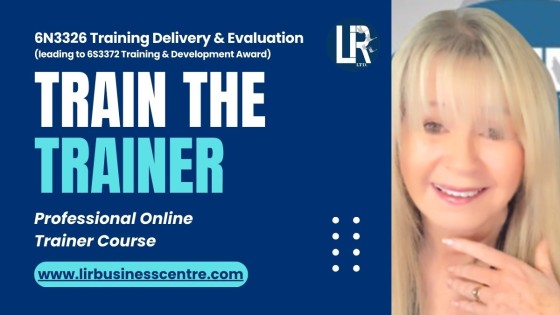
Already training others? Learn what a recognised Train-the-Trainer qualification really means and when a QQI Level 6 course makes sense.
If you are interested in receiving updates on upcoming Lir Blog posts
Register below and we will send you an email when the next one is published.
I have read and agree to the terms & conditions.